

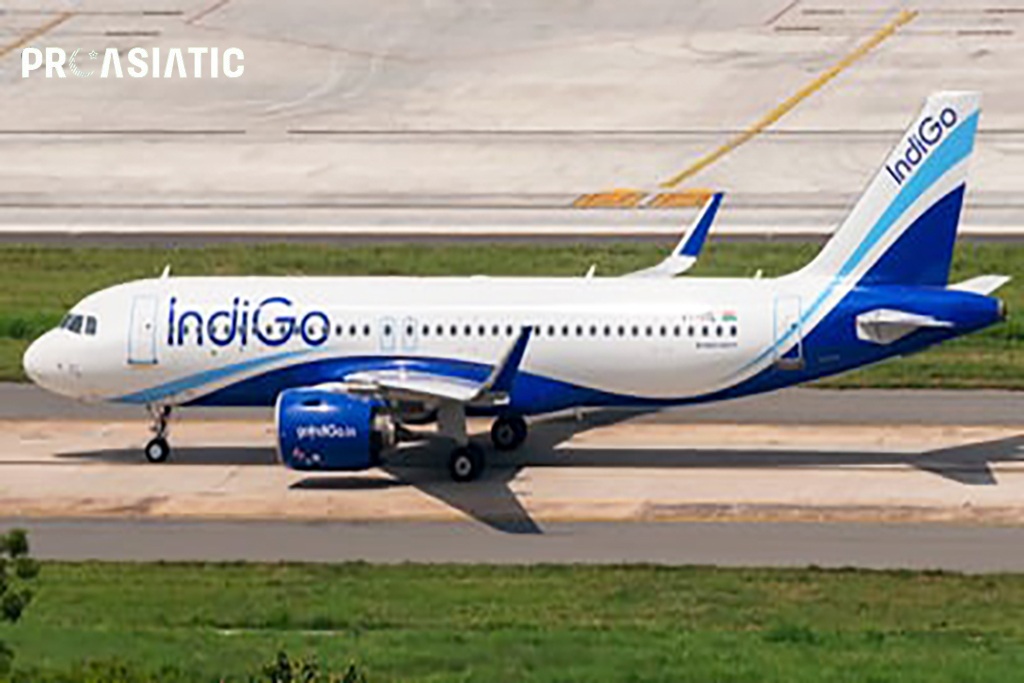
India’s aviation industry is facing a severe crisis as the country’s largest airline, IndiGo, has cancelled more than 500 flights across the nation, causing widespread disruption to air travel and affecting thousands of passengers.
According to airport authorities, the highest number of cancellations were recorded at Mumbai Airport with 104 flights, followed by Bengaluru with 102, and Hyderabad with 92 flights cancelled. The sudden wave of cancellations has significantly impacted IndiGo’s entire flight network.
As reported by international broadcaster TRT, the airline cited pilot duty regulations, administrative challenges, and planning shortcomings as the primary reasons behind the large-scale cancellations. These operational issues have severely affected the airline’s scheduling and overall performance.
Government data further revealed that IndiGo’s on-time departure performance has plunged to just 8.5 percent, a figure being described by aviation experts as extremely alarming for the sector. The sharp decline reflects deep-rooted operational and regulatory challenges currently confronting the airline.
Industry reports indicate that India’s aviation sector is battling a combination of external and internal pressures, including airspace restrictions, new pilot duty rules, management inefficiencies, and rising operational costs. These factors have collectively placed enormous strain on airline operations and financial sustainability.
Aviation analysts warn that unless urgent corrective measures are taken, the ongoing crisis could have long-term implications for passenger confidence, airline profitability, and the overall stability of India’s aviation industry.


